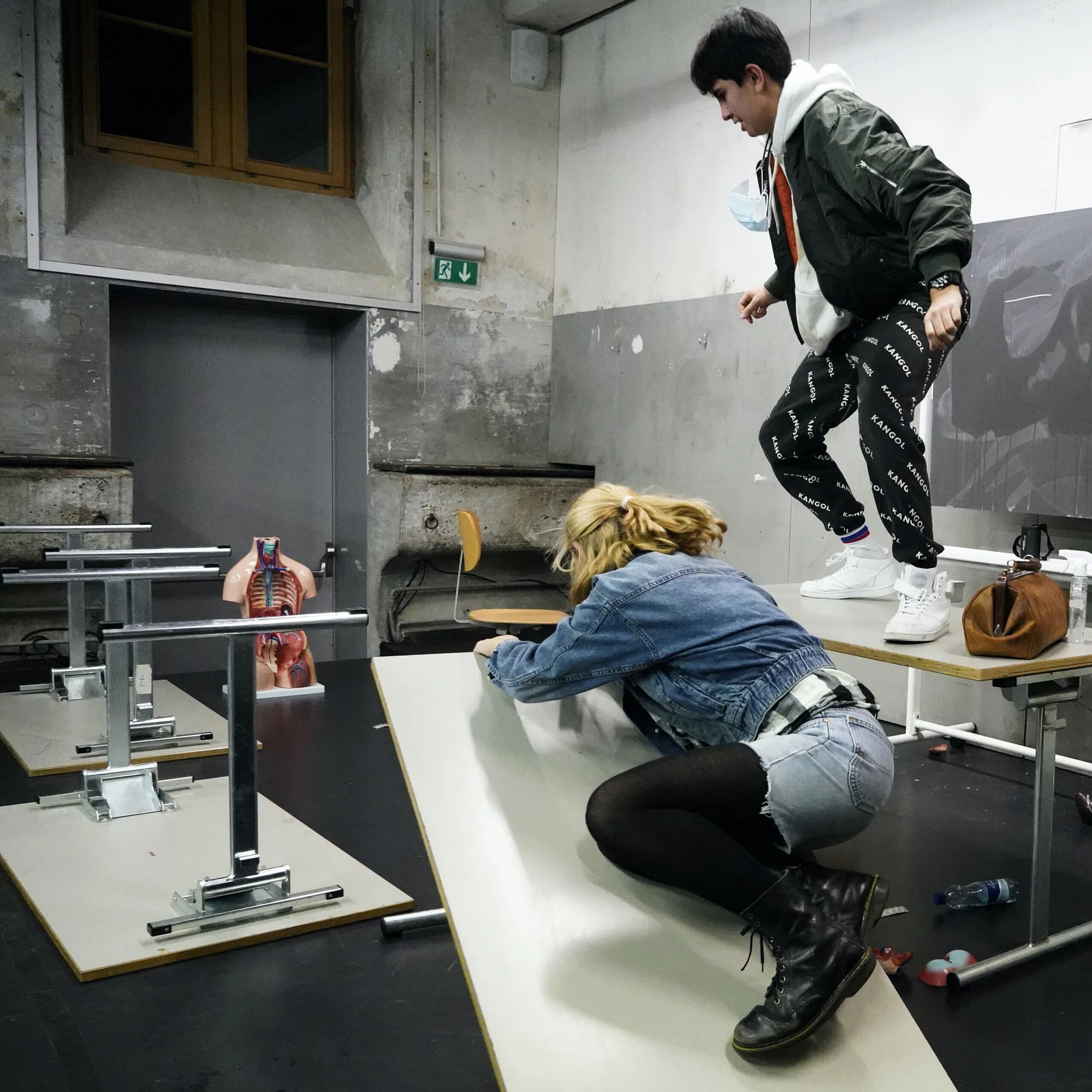
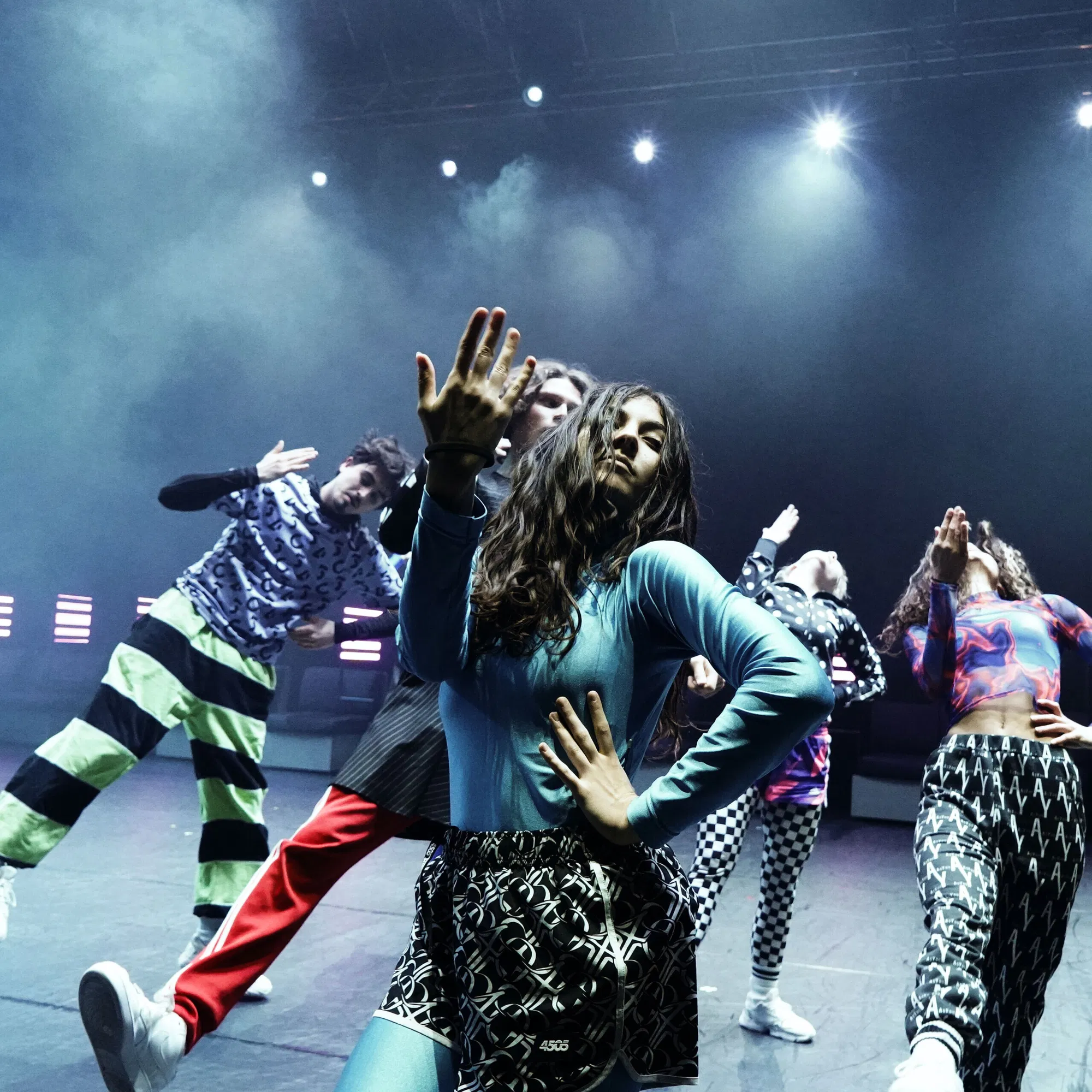
No, it’s not a typo: the junges theater basel (jtb) want their name written in lower case. Perhaps because it feels more dynamic. Nouns often have something a bit cumbersome or heavy about them. But not the junges theater. It’s not about Hamlet or Oedipus here. They deal with topics like binge watching, social bashing and body-shaming. Subjects that concern young people. And according to the drama teacher Uwe Heinrich, they are more broadly diversified than they were 20 years ago: “There is more freedom, the role models are more open, the young people are quite right to ask themselves: ,What am I actually traipsing into now?' It’s not just a question of what do I want to be anymore?’. There are also questions about the environment, political alignments and gender identity.”
The junges theater is actually an excellent example of how significant education in the arts is for overall development
The drama teacher from Dresden has been director of the jtb, which was founded in 1977, for 20 years now. But what is it that actually makes this theatre so special? Why is it invited to participate at renowned festivals so often? It’s the concept that counts. “It’s the only theatre in the German-speaking world where professionals mount professional productions with young people”, explains Uwe Heinrich. These young people work as hard as professionals. For one of our productions, they rehearse eight hours a day for eight weeks. The young people acting are paid a salary for this time but they miss school.
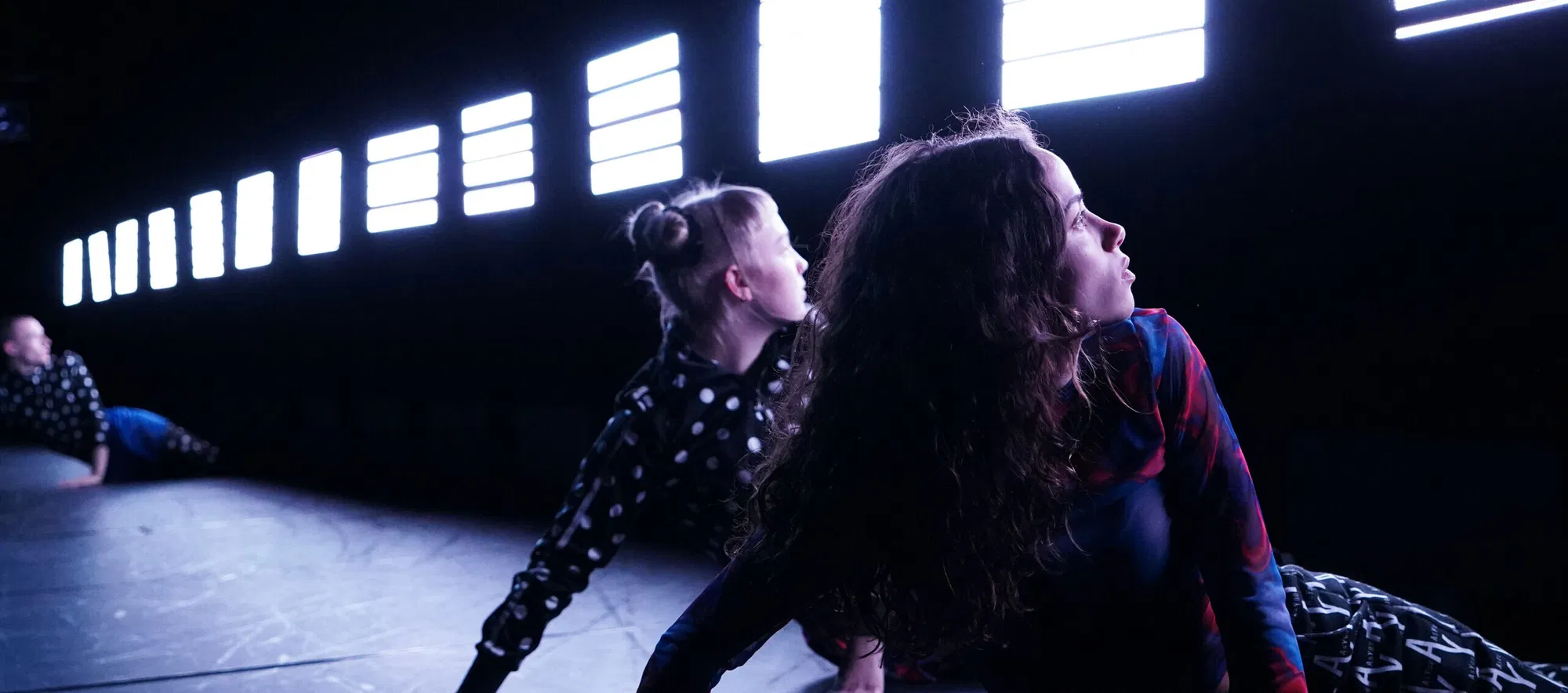
The people who want to participate are not selected in a casting; they are recruited from one of the current theatre courses. “But we don’t persuade anywhere near all the young talents who we would like to work with”, says Uwe Heinrich. He gets far more negative replies nowadays than in the past. “Especially from the lads. They are scared of not being able to catch up.” But the instructor has observed, time after time, that the two intensive months of rehearsing for the theatre only rarely affects their school careers adversely. He explains it as follows: “They haven’t learnt anything about maths during this time, but they have developed a lot of self-awareness and self-confidence. They know they are good at something and that benefits them. The junges theater is actually an excellent example of how significant education in the arts is for overall development.”
Sitting at home and consuming media was suddenly the greatest act of solidarity that you could perform.
Anyone who works with young people needs flexibility. No problem for Uwe Heinrich. “The play we performed this year Born to shine was still called Netflix & Chill until a few weeks before the premiere” he grins. But the spontaneous change of course was also partly due to corona. “Actually, we wanted to focus on the subject of binge-watching with this piece”, he explains. “Until the pandemic we all had a critical view of the massive scale of media consumption. And then it was suddenly the greatest act of solidarity that you could perform. The people who stayed at home were the goodies. The ones who were rushing around outside were dangerous. This was why the production took a much more open view in the end than had originally been planned.”
If you want to see the jtb live, it’s best to book a ticket on their website. And then look forward to an evening full of energy and encouragement. Because, as Uwe Heinrich puts it so well during our interview: “With young people on the stage you are getting more than just entertainment. It offers a lot of hope too. You can convince yourself that the world can change.”