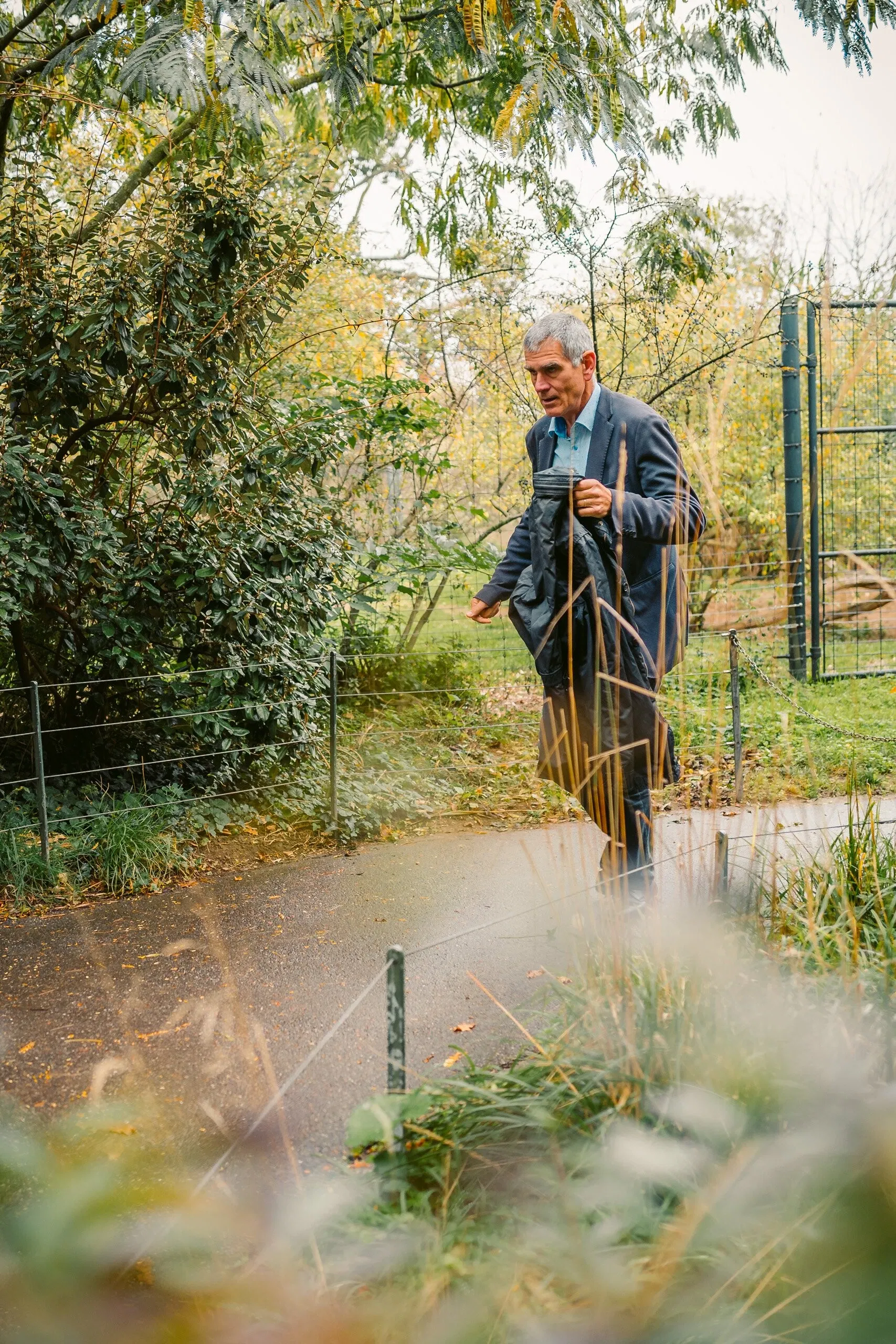
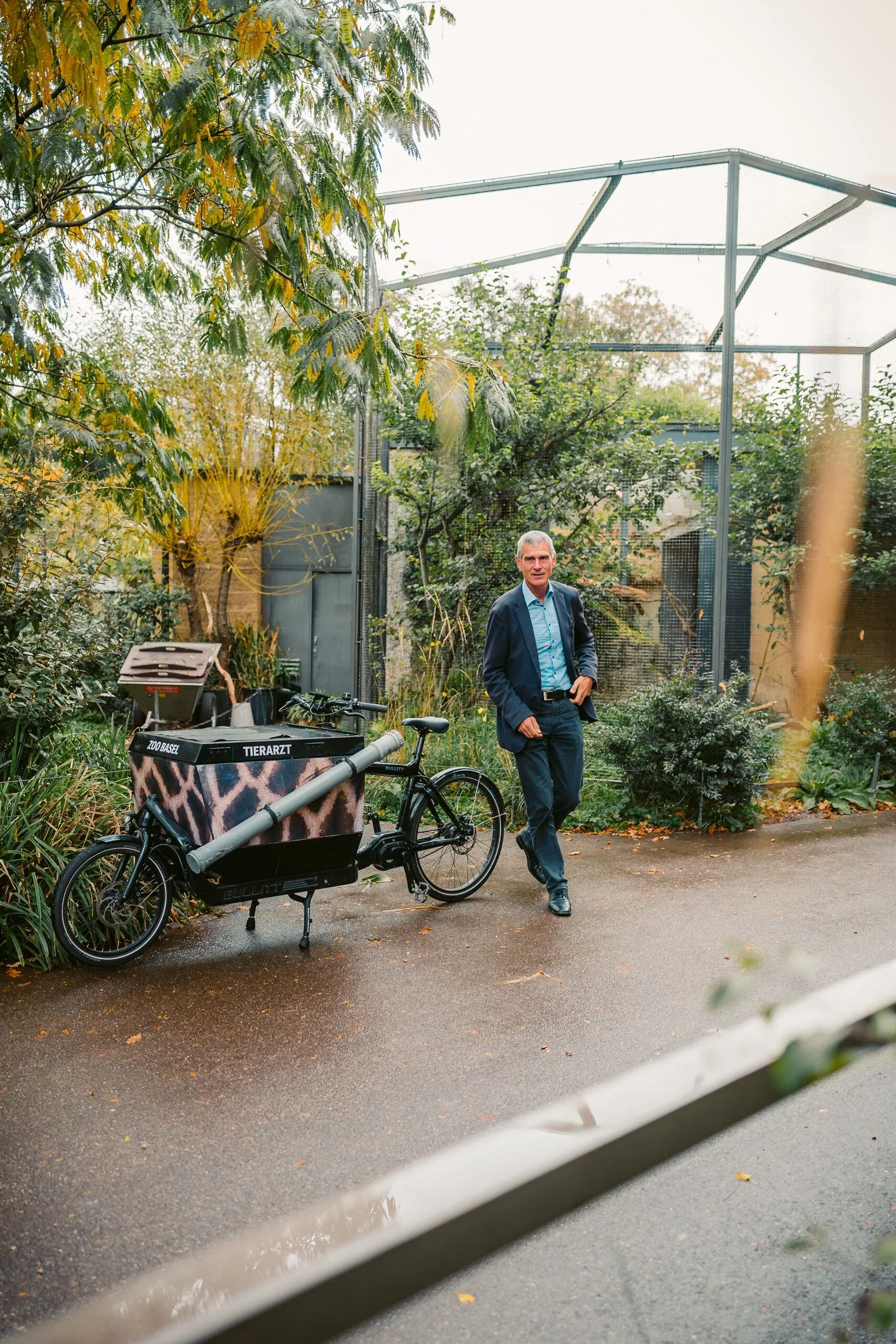
Olivier Pagan’s office is situated directly above the entrance to the Zoo and half of it consists of windows. So sitting at his desk, the zoo’s director doesn’t just see his work, the bulging bookcase and a camel skull he boiled down to the bone in a friend’s garden years ago, but all the cheerful visitors too. The view is, however, a bit blurred due to the very dirty windows: sparrows’ droppings, stuck to everything. House sparrows have nested in the coffers of his window blinds – as though they had somehow guessed that they wouldn’t be chased away here. And the boss does indeed admit that he has “a bit of a thing” for the tiny animals; he doesn’t mind the blurred view. During our interview he quickly demonstrates that he has a very clear view about the future of his SME and how valuable the zoo is for Basel.
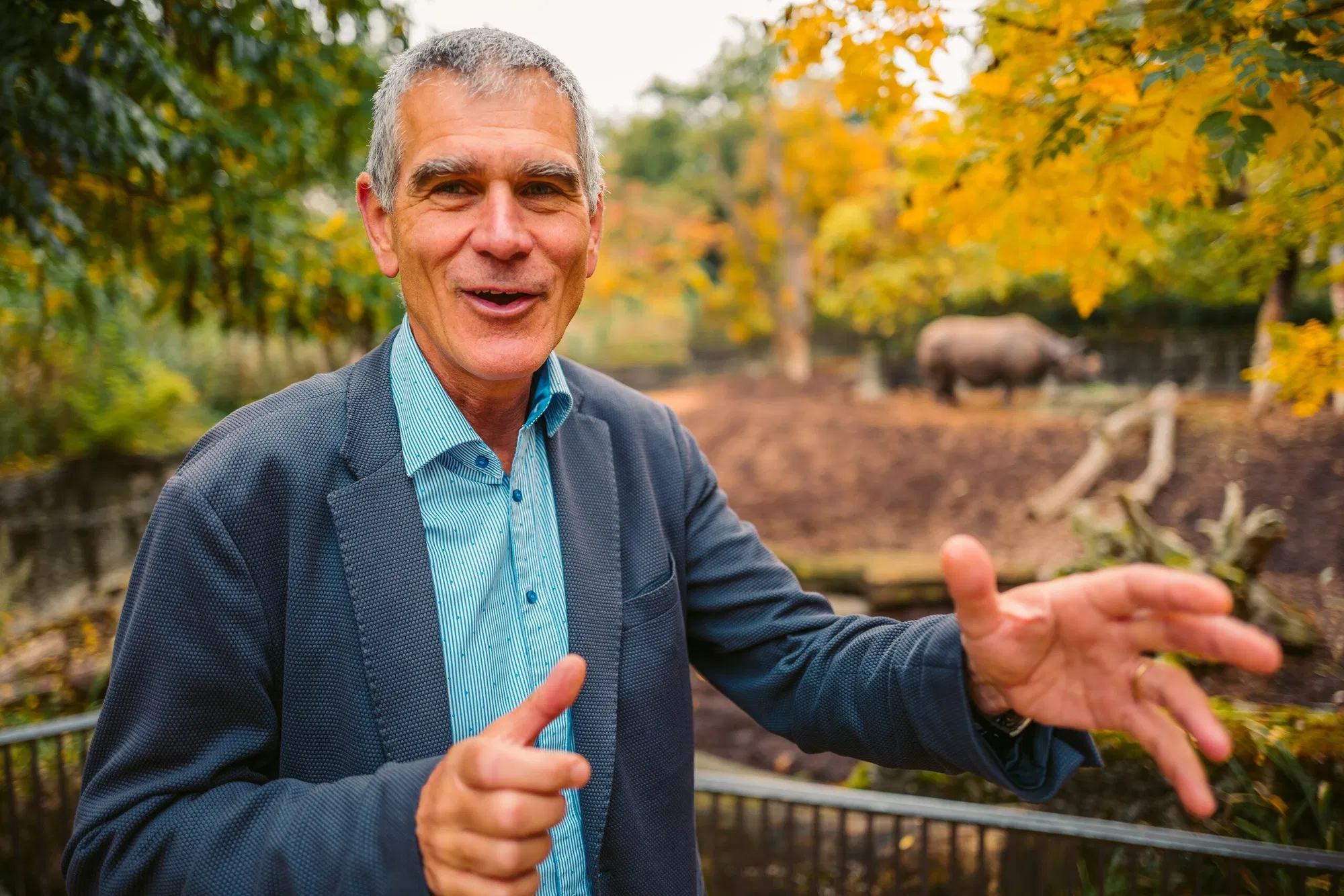
It was recently your 20th anniversary as director of the zoo – did you celebrate?
No, actually I was rather shocked about it – it hadn’t really featured on my radar. And you really only celebrate after 25 years, and I had celebrated that, because I was already recruited as the zoo’s veterinarian in 1993.
How are you connected with the zoo?
Well firstly, my childhood: I grew up in St. Blaise near Neuchâtel, and we often came to visit the zoo in Basel. And then I was a great fan of reptiles when I was a boy. When I finished my degree, I wrote a doctorate on reptile diseases and because of that I was lucky enough to be given the job of veterinarian at Basel Zoo. For me, that was like winning the lottery. The second lucky strike was when I was made director. At the time I was taking a year-long sabbatical and was on a sailing boat in Trinidad. I still say that I am only sitting here today because I stuck such a beautiful stamp full of colourful birds on the envelope for my application …
When the zoo opened almost 150 years ago, the aim was to bring the urban population closer to the natural world and animal kingdom. What do you think of this aim from today’s perspective?
I think it is very modern! In the deeds dating from 1874 it says that the people living in town no longer had any idea whatsoever about animals or nature. And to be perfectly honest: that is no different today. That’s why I think we’re perfectly located here, an oasis in the middle of town. We have to show the urban population of the 21st century what it means to actively care for animals: meaning providing the animals with a living environment. Basel Zoo does everything it possibly can to maintain vigorous, thriving populations of endangered species. This also makes it a lifeline, because our reserve populations could theoretically be reintroduced into natural habitats. Although this would only work if we as a society manage to preserve those habitats. That is why our collaboration with nature conservation organisations such as the WWF, Pro Natura and the International Union for Conservation of Nature (IUCN) is so crucial. But also our networking with other scientifically managed zoos – in Switzerland and abroad. The whole thing is a very complicated mosaic and the zoo is an important stone in that mosaic.
Do you have dealings with animal welfare activists from time to time?
Yes, sometimes. But you have to be careful with the generalised term “animal welfare”. We also consider ourselves protectors of animals and species. We are actively engaged in the protection of various species and are uncompromising in the care of our animals. But animal rights activism can involve extremist demands. If animal welfare means not keeping any animals, then obviously we have a bit of a problem accepting it. As a zoo we have a crucial role to fulfil as educators and mediators. And we have some problems with the animal rights activists. Our view is: in order to be able to guarantee an animal its rights, you have to be very familiar with it and know what it needs, so that is well. Or to put it slightly differently: only someone who looks after an animal knows it so well that they really want to protect it. I actually grapple with these issues on a day-to-day basis myself. But then I look out of my window and see all the smiling faces and think to myself: we’re probably not doing everything so badly.
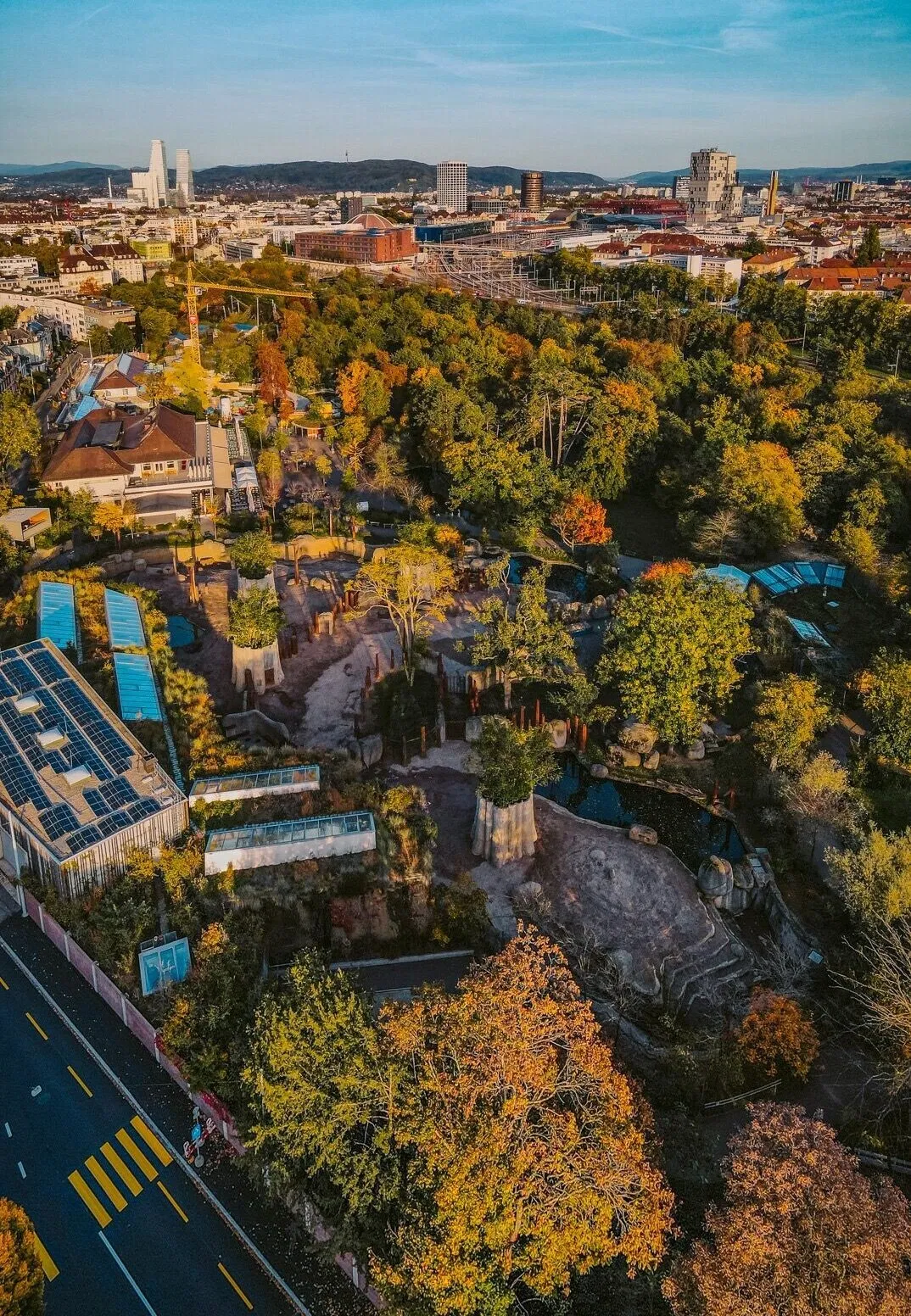
The zoo’s location is quite unusual: right in the middle of town, with nowhere to expand, so a lack of space is guaranteed …
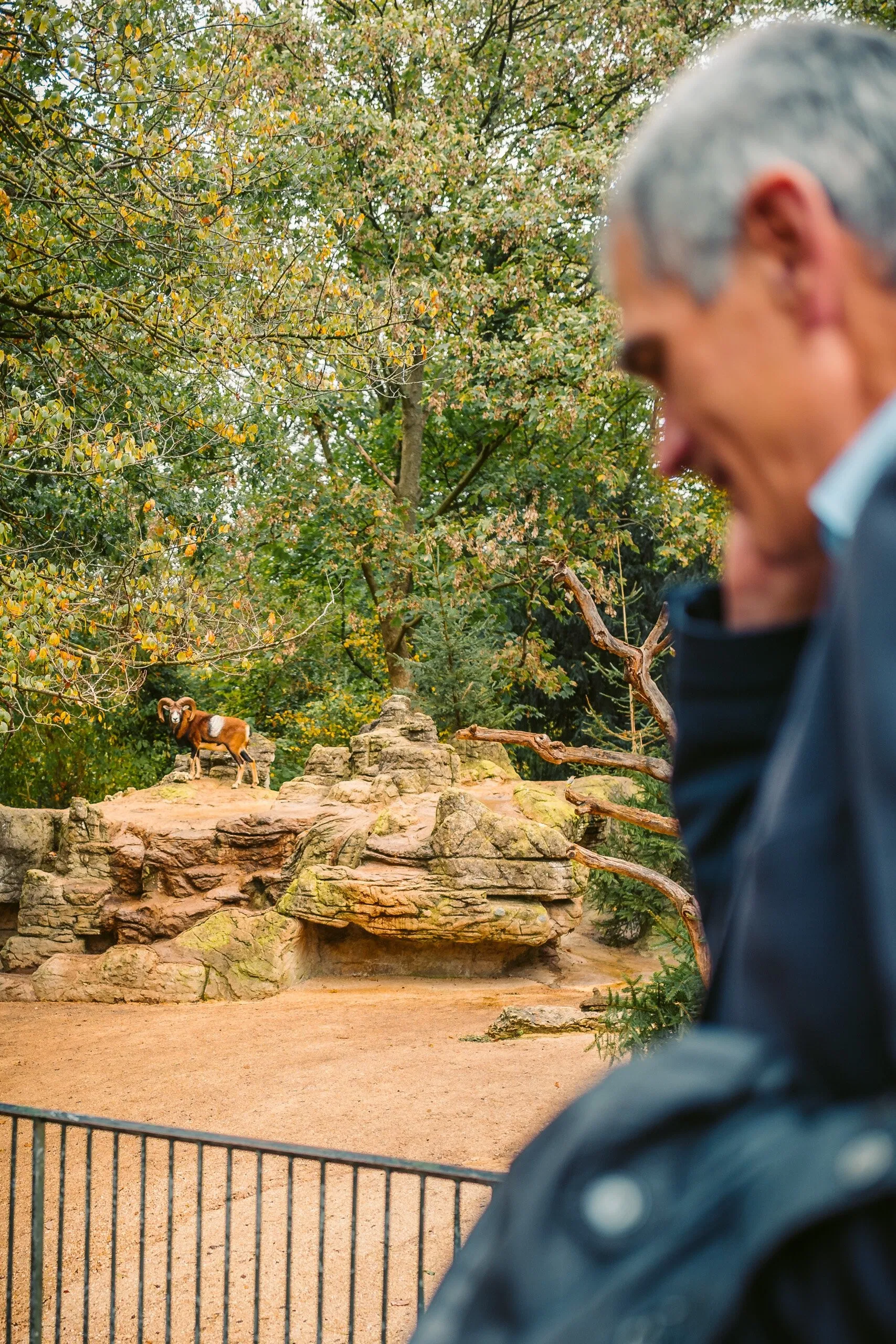
Yes well, that is a challenge but at the same time a huge blessing! The assumption that the animals are better off the more space they have, is actually a misconception. The way that people think is that more is always better – but that is not how biology works. The most crucial issue is that the space be arranged properly. For example, a tortoise: with the right soil, the correct temperature, enough places to hide and the right plants it will be better off than if I put it in a field the size of a football pitch and say: off you go, enjoy the space!
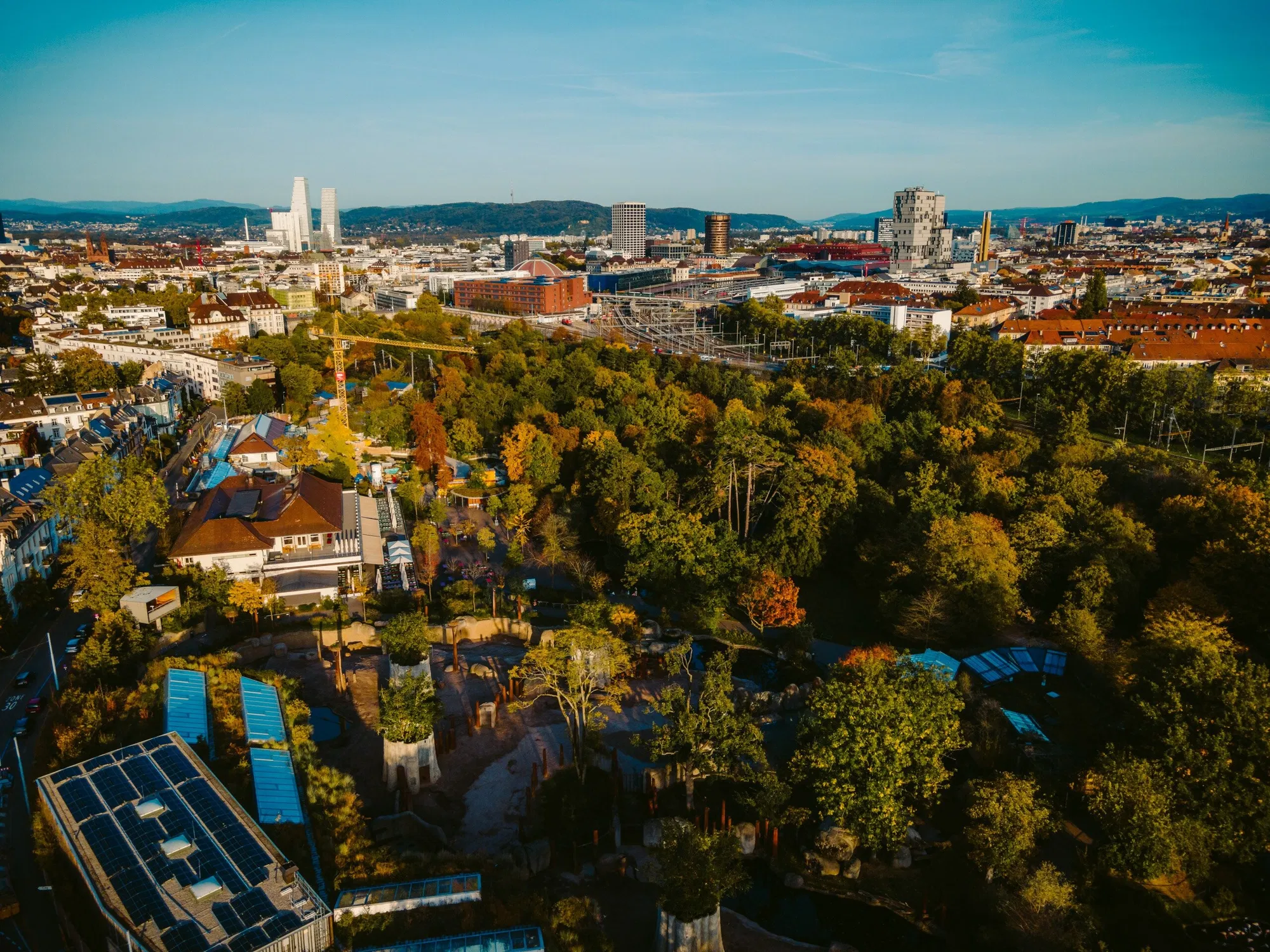
Of course it is a challenge to arrange a modern zoo in the confines of our 12 hectares. The limited space means we have to construct the best enclosures possible for our animals. Even out in the natural world an animal doesn’t have an unlimited amount of space at its disposal. It has a territory which it has to defend from its own species and predators. The idea that an animal is free in the natural world and imprisoned in a zoo is not really correct. I think the zoo here is perfectly located actually. We manage to educate urban society here. We have a million visitors a year. We would probably never achieve those kinds of numbers if we were located outside the city.
The people of Basel are very proud of their zoo …
Well yes, they even have an affectionate nickname for it. When I say “I work at the Zolli” in the French-speaking part of Switzerland, the first question is always: “You work where?” You get a very strong sense that the “Regio Basiliensis” (Basel and region) are very attached to their zoo. Which is why we have to look after with special care.
You open the complex at 8 a.m. just so that the people who live around here can walk to work through the grounds.
Yes well, there is no scientific evidence to support my claim, but I think we would lose a lot of the annual subscriptions from people who live in the immediate vicinity if we only opened the zoo at nine or ten in the morning.
Where would we meet you in town, when you are not at the zoo?
At the Rhine – I am a great fan of water! But I find the city centre of Basel incredibly beautiful too and I like strolling around its alleys in the evening.
What do you find most touching about the zoo?
This might sound a bit strange, but it’s the people. The dedication of our employees to the animals and their eagerness to run a good zoo – that really impresses me. Every day.
Is there anything else you would like to share with our readers?
If you are lucky enough to work in a zoo – no matter what your position – you want to make the visits of the people who don’t have this luck as long-lasting a memory as possible. Everything these days is so hectic, there’s so much pressure and stress, that I think it is particularly important that we continue to run the zoo in the old tried and trusted manner. With a focus on experiencing the animals and the beautiful grounds. In a few years we will probably all be able to call up a hologram of a blue whale in our living rooms. But an encounter with the real thing is our defining quality and will remain so.