Exhibiting art that is popular because it is internationally recognised, sells at a high price and is in great demand – now that’s a safe bet. But exhibiting art that has never been seen before, by artists whose names no-one has heard of, that’s taking a risk. And for 150 years now, the Basel Kunsthalle has been going out on the limb like this. Which makes it “absolutely exceptional” in the international art scene according to its director, Elena Filipovic.
Die Kunsthalle Basel ist überall sehr viel bekannter als hier.
In Basel this fact is not so well known. “The Basel Kunsthalle is much more famous everywhere else than it is here”, Elena is very aware of this fact. She has been responsible for its program and international reputation for seven years now. But she has been aware of the exhibition hall’s excellent reputation in the art scene for much longer. “If you look around Europe for institutions that are working with their finger on the pulse of contemporary art, then you will find the Basel Kunsthalle very quickly”, she explains. Paul Klee, Edvard Munch, Emil Nolde, Pablo Picasso, Sophie Taeuber-Arp and Piet Mondrian were all exhibited here – long before they became world famous.
I think there is not another institution in the whole world that has shown such tenacity and consistency in doing it does as the Kunsthalle Basel over the last 150 years.
Contemporary art has been repeatedly met with incomprehension by the people of Basel and has also provoked some strong reactions. In 1937, after visiting the Mondrian exhibition, a “proud” father sent his son’s drawing to the Kunsthalle, with a note on the drawing that the child was a “constructivist” although still in the first grade at school. After the Jackson Pollock exhibition in 1958, the curator of the Kunsthalle at the time, tried to convince the Basel Art Museum to buy a Pollock painting for 12,000 dollars; because he was an important artist and would one day write art history. “The answer was: No!”, Elena now smiles. “The public were shocked by this kind of art. And it is still like that sometimes nowadays. Which is why I think there is not another institution in the whole world that has shown such tenacity and consistency in doing it does as the Kunsthalle Basel over the last 150 years.”
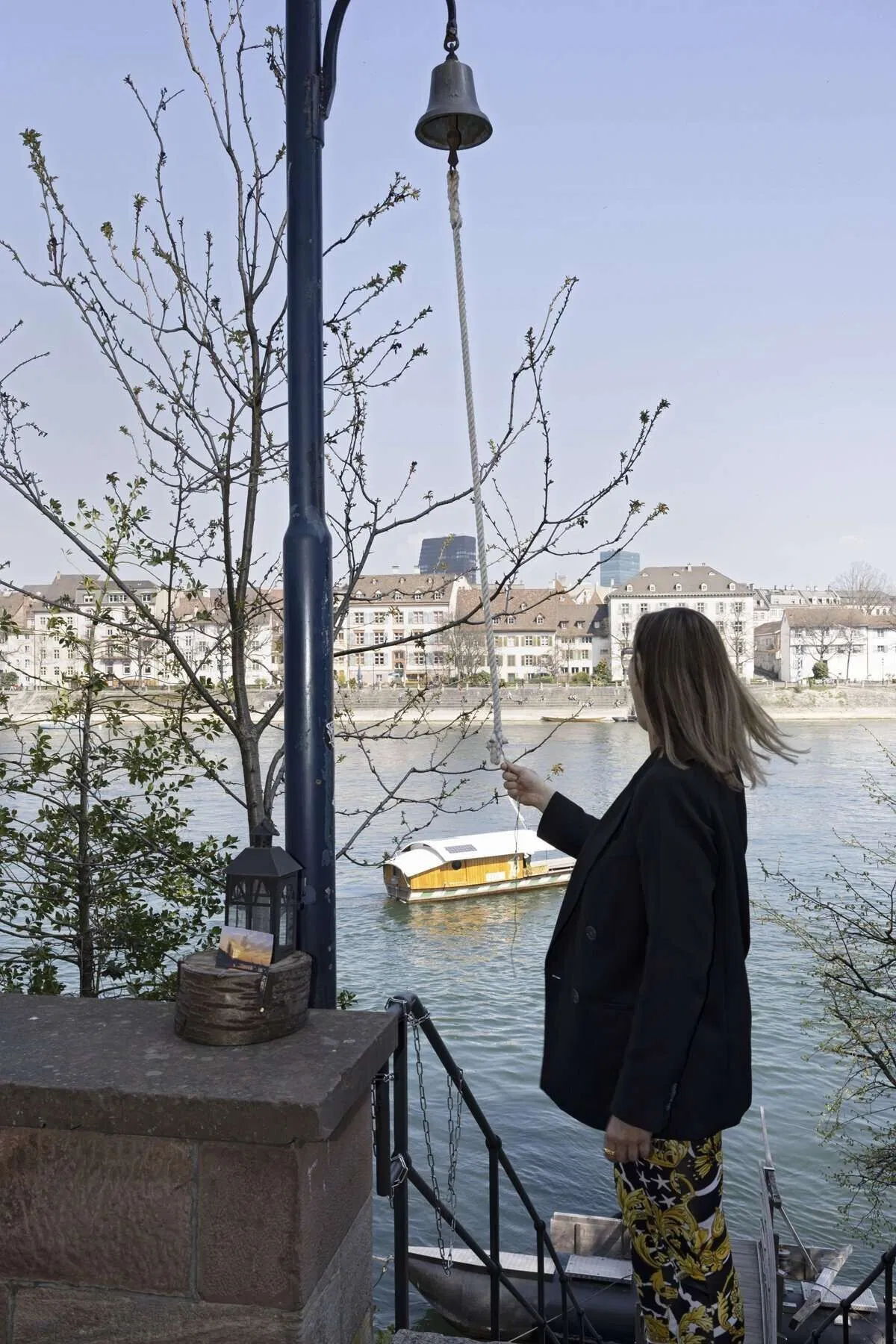
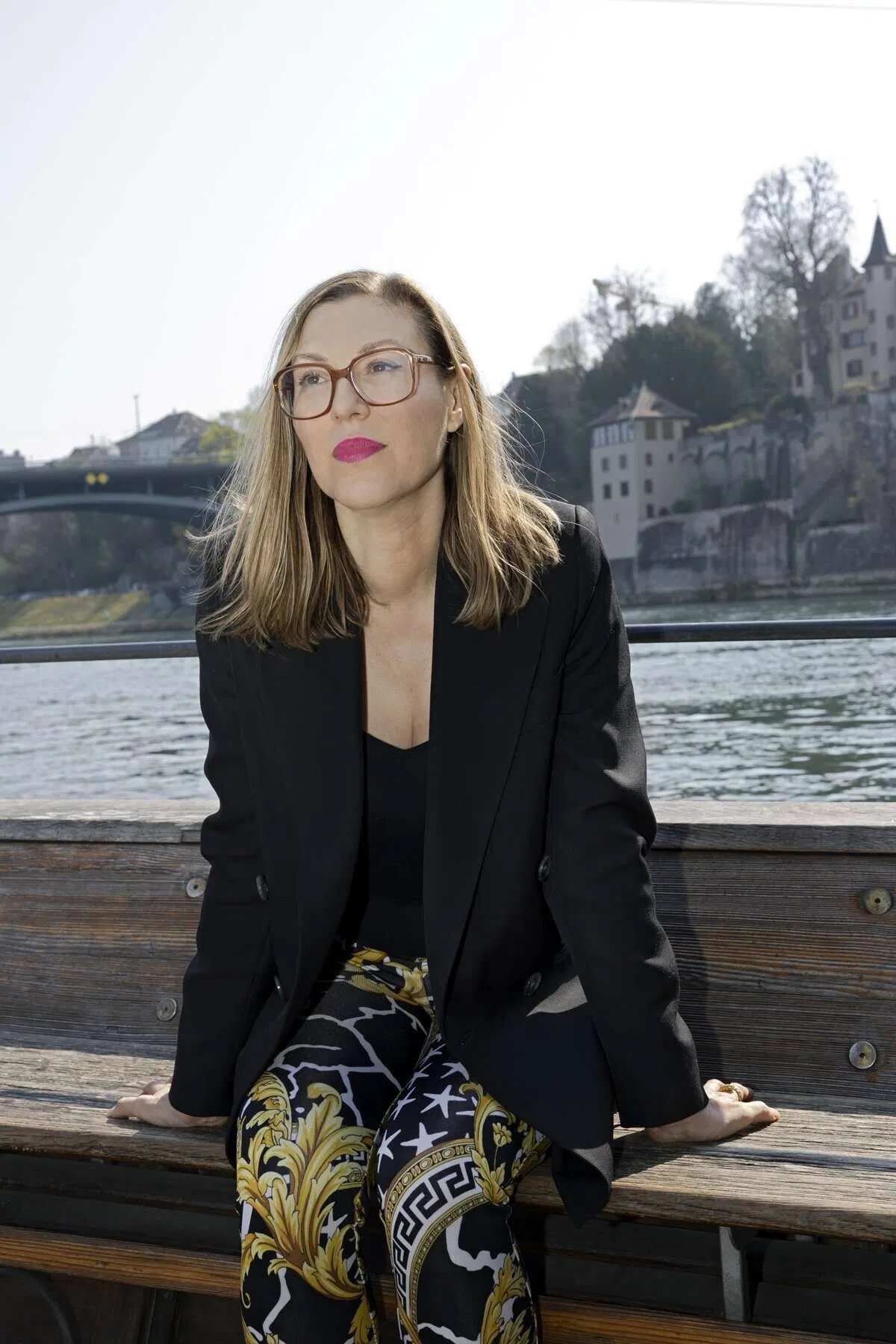
Elena has got used to encountering reluctance when she starts looking around for financial sponsorship for an exhibition she is planning. In the early days she was plagued with doubt about herself and her work, when yet again faced with closed doors, but now she is well aware: The directors of the Kunsthalle Basel never had an easy time of it. And in the meantime, Elena has modified her strategy to convince donors. “Nowadays, when a potential sponsor says; sorry, but nobody has ever heard of this artist, then I reply: Precisely, and that means I am doing my job properly! Because this completely unknown person is going to be given the chance to be the Paul Gauguin or Henri Matisse of tomorrow. Sometimes I achieve my goal with this line of reasoning – but sometimes not.”
And the fact is: Countless careers have been launched at the Basel Kunsthalle and still are these days. For the visitors this is particularly fascinating, because they are there to witness live when a new star is beginning to shine. But also because the artists almost always create new and daring works specifically for their exhibitions in Basel. “Of course, that makes it riskier for us”, explains Elena. “We have to believe in them, that they are going to create the most significant, spectacular or provocative piece in their career so far, for us. It’s a bit like gambling in a casino – but it’s always worked out well so far!” The stars of tomorrow gain confidence from the trust and support they are given in Basel. “They see that what they are doing is important and that people believe in them”, says Elena. In any case, the formidable list of major artists who have been shown here speaks volumes: Claude Monet, Vincent van Gogh, Ernst Ludwig Kirchner, Fernand Léger, Miriam Cahn, Fischli/Weiss, Mark Rothko, Jenny Holzer, Jeff Wall, Katharina Fritsch, Cindy Sherman, Mike Kelley, Roni Horn, Ólafur Elíasson, Maurizio Cattelan … were all here, and many more, when hardly anyone had even heard of them.
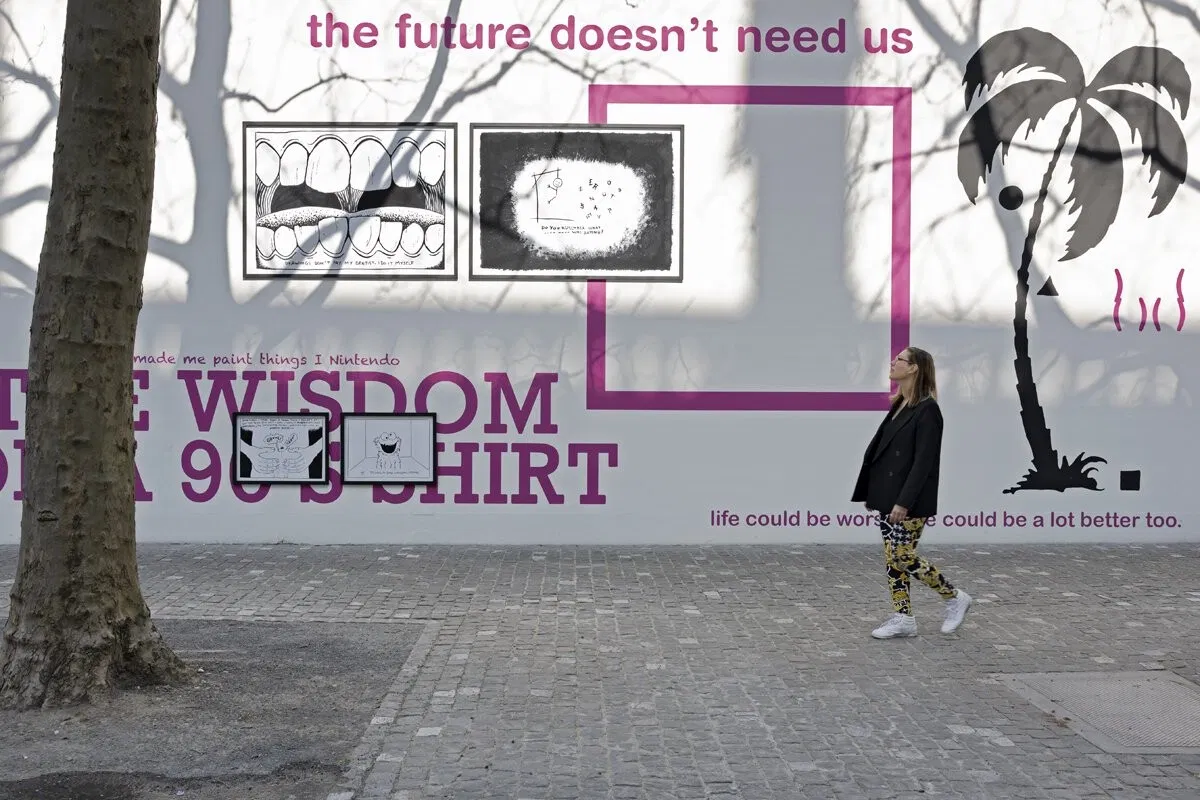
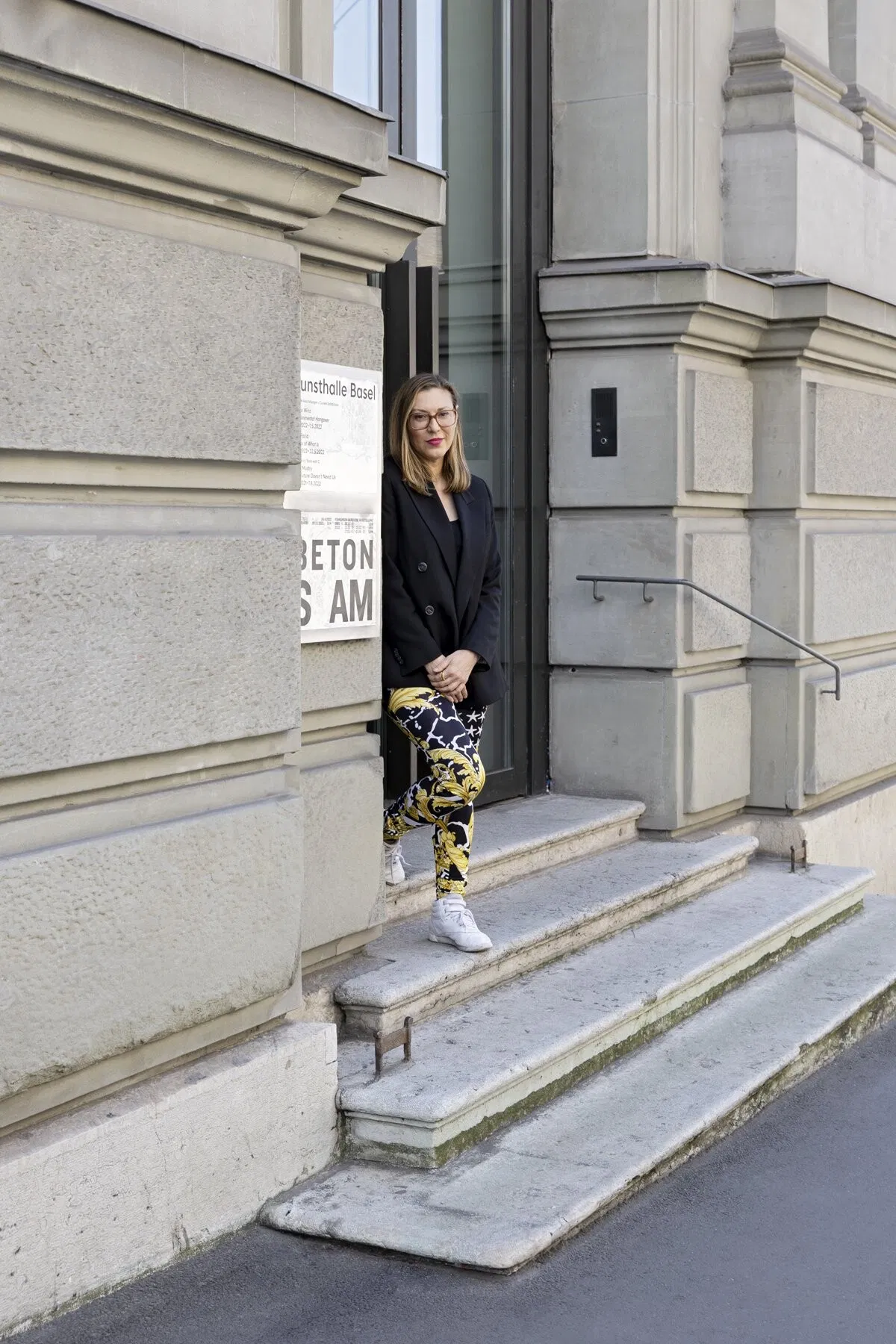
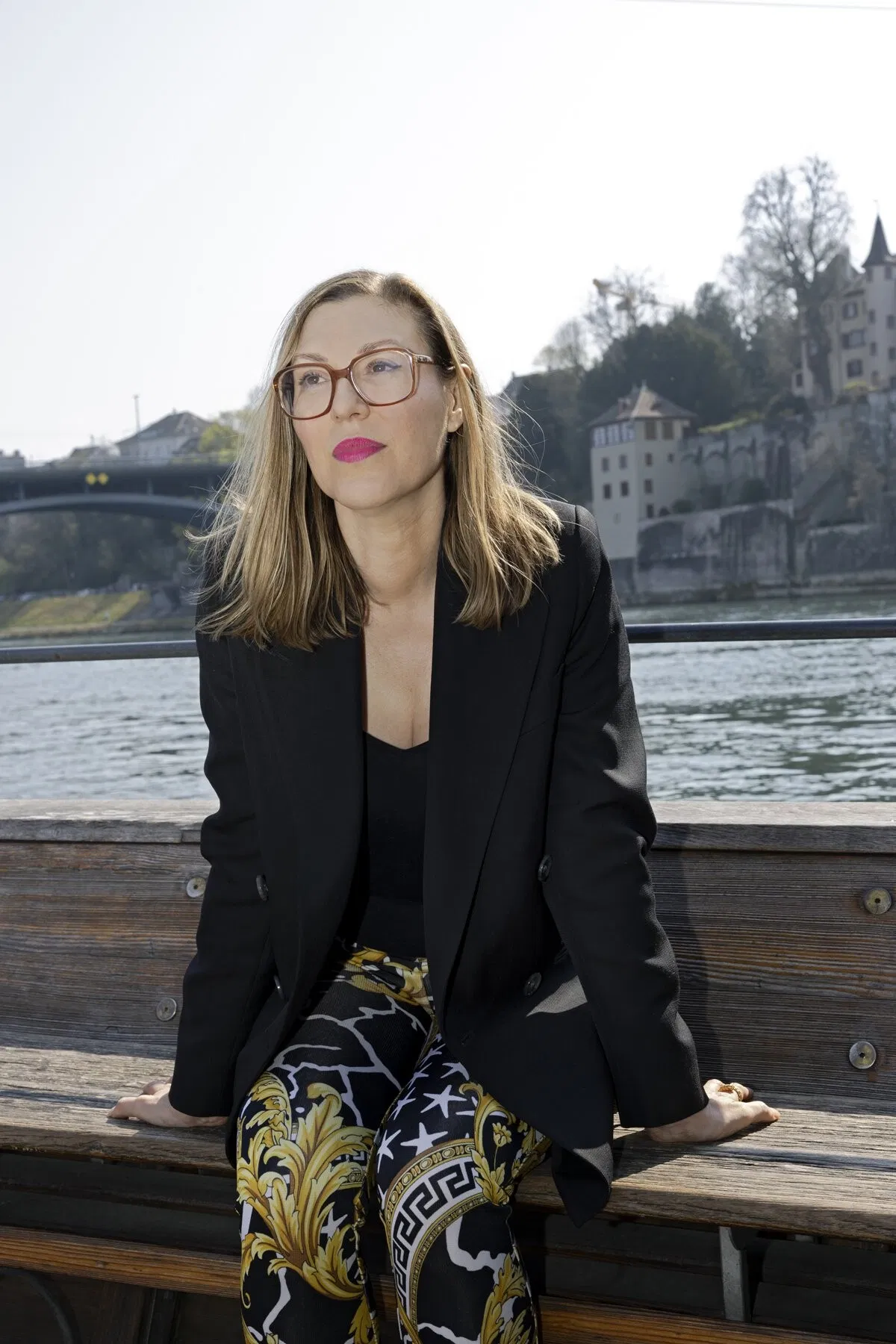
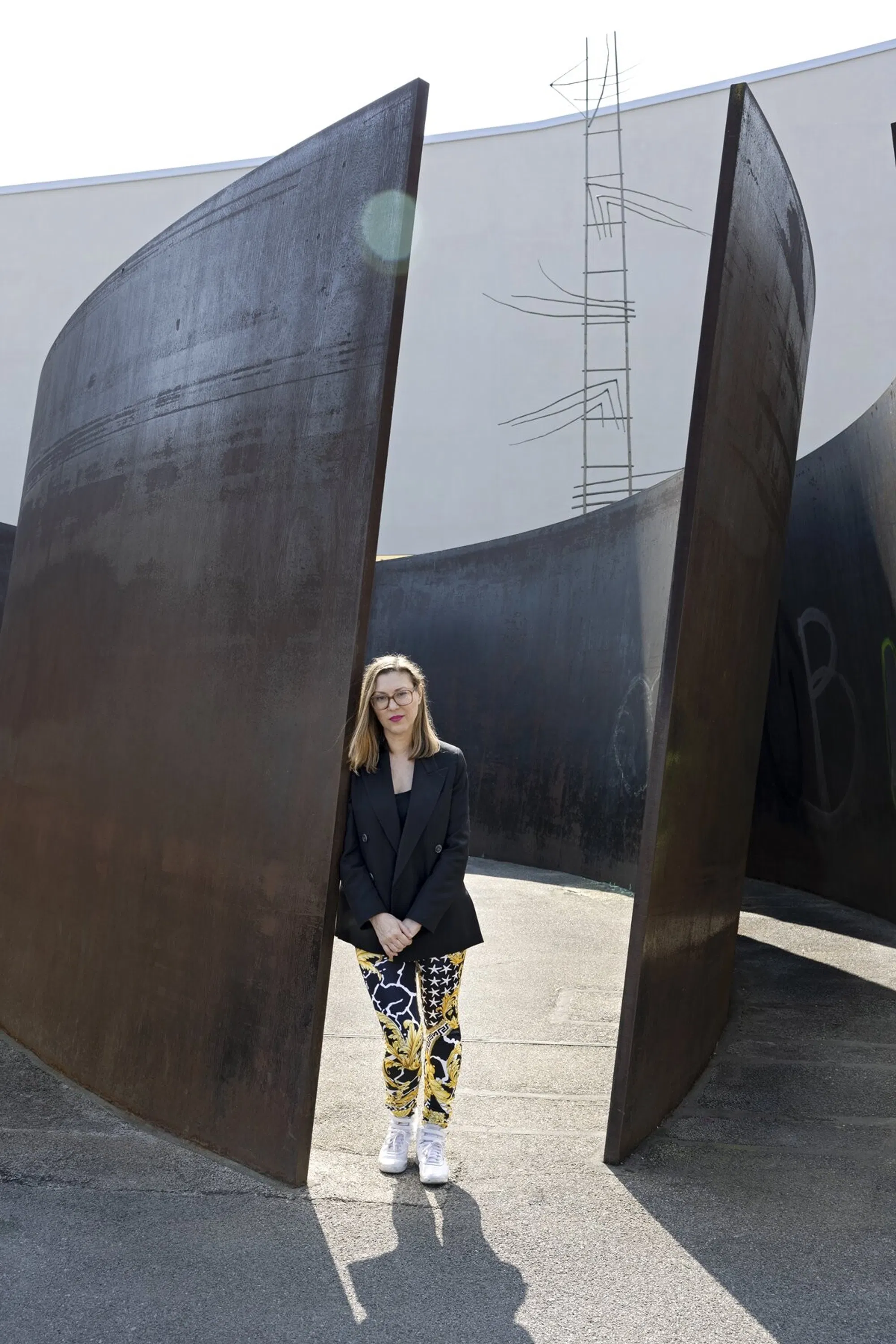
Some of them have left their traces in the city, and Elena points them out to me as we take a stroll together. Jonathan Borofsky, for example, exhibited a “Hammering Man”, which now stands at the Aeschenplatz, but was previously in the spacious glass-roofed hall of the Kunsthalle. Richard Serra had a major solo exhibition here, years before he donated his “Intersection” sculpture, now at the Theaterplatz, to the city. Also linked to this still-fresh 150-year-old institution are the Carnival Fountains by Jean Tinguely, who had the idea for them while setting up his exhibition in the Kunsthalle, and Carl Burckhardt’s Amazon standing next to the Mittlere Brücke, which was commissioned by the Basel Kunstverein. This Basel Kunstverein, an association of artists and art-lovers, used to meet at the Café Spitz, before the architect Johann Jakob Stehlin designed the neo-classical building on the Steinenberg. And the construction of this building was only possible thanks to the revenue from the ferry services, at a time when there was only one bridge at the “knee of the Rhine” – the Mittlere Brücke. The Basel ferries are also an important part of the Kunsthalle’s history.
The cultural life here makes Basel huge.
Elena Filipovic’s energy and her enthusiasm for art are as impressive as they are captivating. She is consumed with what she does, you could almost imagine that her passion for the extraordinary is somehow written into her DNA. She grew up in Los Angeles, but it wasn’t at home that she came into contact with art and culture. It was an excursion that changed her life: “When I was five years old, we went to a museum with my kindergarten. It was pure magic!”, she tells me, her eyes shining. “From that moment on, I was obsessed with art and museums and I got on my mother’s nerves so much that she decided to show me the real museums. In Europe. To save enough money for the trip she took a second job. The following summer, I saw the Louvre from the inside for the first time. I was six years old.”
Elena Filipovic has been living in Europe for 20 years now, in Paris, Brussels, Berlin. At the beginning of course she was a bit worried about moving to a town as small as Basel. But nowadays she feels at home here – “or perhaps I should say, at the Kunsthalle!”, she adds laughing, “I am usually here, in body and spirit.” Mind you, she has never felt as though she is living in the provinces here in Basel. “The cultural life here makes Basel huge”, she says. I ask her whether she ever leaps into the Rhine in the summer: “Yes!”, she says vigorously and then in perfect German: “Natürlich!” She now understands German very well, but prefers to answer in English. It’s just easier to talk about things in your native tongue.
The real skill is identifying the right moment, when the artists are ready for the Kunsthalle.
And Elena has plenty to tell. For example, how she discovers the stars of tomorrow. “It’s a bit like finding true love – you never know where it’s going to be hiding!” But the problem is not finding talented artists. “The real skill is identifying the right moment, when the artists are ready for the Kunsthalle. So that an exhibition with us brings out the best in them and they don’t collapse under the weight of the task. It’s tricky to pinpoint that moment and it’s a matter of pure intuition.”
“Even now, the Kunsthalle is a place where you never know what you are going to get yourself involved in next. But you will always definitely see something that gets you thinking – regardless of whether you like it or not”, Elena is quite sure about that. I want to know whether she is nervous before a new exhibition starts. “I’m always nervous!”, she laughs. And then she becomes thoughtful. “And because we are currently surrounded by war, ecological and humanitarian crises, of course you can start asking yourself what the point of art is under the circumstances. Nevertheless, I am convinced, each and every day, that art does have an enormous role to play. Because contemporary artists provoke thoughts, our hearts, our minds. Because they change the way we look at the world.”